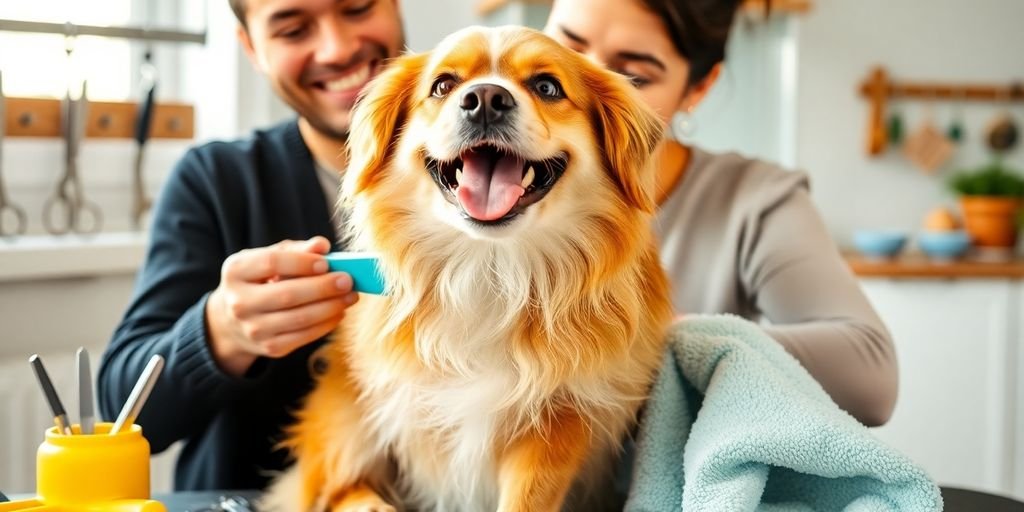
Grooming your dog at home can be a fun and rewarding experience, both for you and your furry friend. Not only does it help keep your pet looking their best, but it also saves you a lot of money compared to frequent trips to the groomer. With the right tools and a little practice, you can easily manage your dog’s grooming needs at home. Here are some key takeaways to help you get started on your DIY dog grooming journey.
Key Takeaways
- Gather essential grooming tools like brushes, clippers, and shampoos.
- Establish a regular grooming schedule based on your dog’s needs.
- Learn the proper techniques for brushing and bathing your dog.
- Don’t forget to care for your dog’s nails and ears regularly.
- Be patient and take your time to ensure a positive grooming experience.
Gather the Right Grooming Tools
When it comes to giving your dog a grooming makeover at home, the first step is to gather the right tools. Here’s a list of essential items you’ll need:
- Brush and comb: Different types for various coat types.
- Nail clippers: Choose ones that are easy to handle.
- Dog-specific shampoo and conditioner: Avoid human products.
- Towels: For drying your dog after a bath.
- Ear cleaning solution: To keep those ears healthy.
- Toothbrush and toothpaste: Dental care is important too!
Essential Tools for DIY Dog Grooming
Using the right tools is crucial. For instance, the INSE P20 grooming kit is highly recommended. It includes a grooming brush, de-shedding tool, and clippers that make the process easier and cleaner.
Choosing the Best Brushes and Combs
Selecting the right brush or comb can make a big difference. Here are some tips:
- Look for brushes designed for your dog’s coat type.
- Consider a de-shedding tool if your dog sheds a lot.
- Always choose tools that are comfortable for you to use.
Investing in Quality Clippers
Investing in quality clippers is essential for a smooth grooming experience. Poor-quality clippers can cause discomfort for your dog. Quality tools ensure safety and effectiveness, making grooming less stressful for both you and your pet.
Remember, using the right tools not only makes grooming easier but also helps keep your dog safe and happy!
Establish a Grooming Routine
Determining Grooming Frequency
To keep your dog looking and feeling great, it’s important to set a regular grooming schedule. Most dogs benefit from weekly grooming sessions. However, if your dog has long or thick fur, you might need to groom them two to three times a week. This helps you catch any skin issues early and keeps their nails trimmed.
Creating a Grooming Schedule
Here’s a simple way to create a grooming schedule:
- Choose a day of the week that works best for you.
- Set a time that your dog is usually calm.
- Stick to it! Consistency helps your dog feel more comfortable.
Adapting to Your Dog’s Needs
Every dog is different, so pay attention to your dog’s reactions. If they seem stressed, take breaks during grooming. Short sessions of 5 to 10 minutes are often best. This way, your dog can get used to the process without feeling overwhelmed.
Remember, making grooming a positive experience will help your dog look forward to it in the future!
By establishing a routine, you can save money on professional grooming and keep your dog healthy and happy. After all, many dog owners save about $500 a year by grooming at home!
Master the Basics of Brushing
Benefits of Regular Brushing
Brushing your dog regularly is essential for maintaining a healthy coat. It helps distribute natural oils and removes loose hair, dirt, and dead skin. This not only prevents painful tangles and mats but also allows you to check for any unusual lumps or parasites. Regular brushing can even relax your dog and strengthen your bond.
Techniques for Different Coat Types
Different dogs have different coat types, and using the right tools is key. Here’s a quick guide:
| Coat Type | Recommended Tools |
|---|---|
| Short Hair | Slicker brush, bristle brush |
| Long Hair | Pin brush, wide-toothed comb |
| Thick Double Coat | Undercoat rake, de-shedding tool |
| Curly Hair | Slicker brush, comb |
Dealing with Shedding and Mats
To manage shedding and mats effectively:
- Brush regularly to prevent mats from forming.
- Use a metal comb for stubborn tangles.
- If you encounter mats, gently work them out with your fingers or a mat splitter.
Remember, grooming should be a positive experience for your dog. Start slowly and reward them with treats to make it enjoyable!

Nail and Paw Care
Choosing the Right Nail Clippers
When it comes to trimming your dog’s nails, using the right tools is crucial. Here are some options:
- Scissor-type clippers: Great for small to medium dogs.
- Guillotine-style clippers: Best for larger breeds.
- Electric grinders: Good for dogs that are nervous about clippers.
Safe Nail Trimming Techniques
To keep your dog calm during nail trimming, follow these steps:
- Get your dog comfortable: Let them sniff the clippers and give them treats.
- Identify the quick: This is the pink part of the nail; avoid cutting it to prevent pain.
- Trim gradually: Start with just a little bit to help your dog adjust.
Caring for Your Dog’s Paws
Your dog’s paws need regular attention to stay healthy. Here are some tips:
- Trim hair around the pads: This prevents dirt and moisture buildup.
- Check for injuries: Look for cuts or foreign objects stuck between the toes.
- Moisturize: Use a dog-safe paw balm to keep their pads soft.
Regular nail and paw care can prevent discomfort and injuries. Make it a part of your dog’s grooming routine!
Bathing Your Dog at Home
Bathing your dog is an essential part of keeping them clean and healthy. A proper bath can help reduce shedding and keep their coat shiny. Here’s how to do it right:
Selecting the Right Shampoo
- Choose a mild dog shampoo that is free from harsh chemicals.
- Look for natural ingredients that are gentle on your dog’s skin.
- Avoid using human shampoo, as it can irritate their skin.
Step-by-Step Bathing Guide
- Brush your dog before the bath to remove tangles and loose hair.
- Set up the bathtub with a non-slip mat for safety.
- Fill the tub with lukewarm water, just a few inches deep.
- Wet your dog thoroughly, avoiding their eyes.
- Apply dog shampoo and lather well, then rinse thoroughly to remove all residue.
- For extra softness, use a dog conditioner after rinsing.
- Gently squeeze out excess water and towel dry your dog.
- Let your dog relax for 10-15 minutes before brushing and blow drying.
Drying and Post-Bath Care
- Use a towel to blot your dog until they are damp, not soaking wet.
- Avoid blow drying a fully wet dog to prevent overheating.
Bathing your dog can be a fun bonding experience. Make it enjoyable with treats and praise!
Ear and Dental Hygiene
Cleaning Your Dog’s Ears Safely
Keeping your dog’s ears clean is essential for their health. Dirty ears can lead to infections and discomfort. Here are some steps to follow:
- Gather your supplies: You will need a gentle ear-cleaning solution, cotton balls, and a towel.
- Check your dog’s ears: Look for signs of redness, swelling, or discharge. If you see any of these, consult your vet first.
- Apply the cleaning solution: Lift your dog’s ear flap and pour a small amount of the solution into the ear canal. Massage the base of the ear for about 20-30 seconds.
- Wipe away debris: Use a cotton ball to clean out the ear canal, being careful not to push debris further in.
- Dry the ear: Use a clean towel to gently dry the ear and remove any leftover moisture.
- Repeat on the other ear: Use a fresh cotton ball and towel for the other ear.
Choosing Dental Care Products
Just like humans, dogs need dental care to prevent issues like gum disease and bad breath. Here are some tips:
- Brush your dog’s teeth: Use a soft-bristled toothbrush and dog-specific toothpaste. Aim to brush 2-3 times a week.
- Offer dental chews: These can help remove plaque while keeping your dog entertained.
- Feed a balanced diet: A high-quality diet can support your dog’s dental health.
Establishing a Dental Care Routine
Regular dental checkups are important. Schedule visits with your vet to catch any problems early. Monitor your dog’s oral health for signs like bad breath or bleeding gums. If you notice anything unusual, consult your vet.
Keeping your dog’s ears and teeth clean is vital for their overall health. Regular care can prevent serious issues down the line.

Highlighted Tips
- Understand your dog’s ear anatomy to clean effectively.
- Purchase an ear cleanser that is safe for pets.
- Avoid harsh cleaners or instruments that could harm your dog.
- Clean when your dog is calm and sleepy for a smoother experience.
- Reward your dog after grooming sessions to create positive associations.
Handling Special Grooming Needs
Grooming Anxious Dogs
Grooming can be a stressful experience for some dogs. Here are some tips to help calm them:
- Start slow: Begin with short sessions to help your dog get used to the process.
- Use positive reinforcement: Reward your dog with treats and praise during and after grooming.
- Create a calm environment: Play soft music or use calming scents to soothe your dog.
Managing Skin Conditions
If your dog has skin issues, special care is needed:
- Consult your vet for the right products.
- Use hypoallergenic shampoos to avoid irritation.
- Regularly check for mats or tangles that can worsen skin problems.
When to Seek Professional Help
Sometimes, it’s best to let the pros handle it. Consider professional grooming for:
- Dogs with severe anxiety or fear of grooming.
- Complex grooming needs, like specific cuts or styles.
- Health issues that require special attention, such as skin infections or injuries.
Remember, your dog’s comfort and safety should always come first. If you’re unsure about any grooming task, don’t hesitate to ask a professional for help.
In summary, handling special grooming needs requires patience and understanding. By following these tips, you can make grooming a more pleasant experience for your furry friend. Essential dog grooming tips for beginners can help you navigate these challenges effectively!
Final Thoughts on DIY Dog Grooming
In conclusion, grooming your dog at home can be a fun and rewarding experience. Not only does it save you money, but it also helps you bond with your furry friend. By following the tips shared in this article, you can keep your dog looking great and feeling healthy without breaking the bank. Remember, start with the basics and take your time to learn. With practice, you’ll become more confident and skilled in grooming your dog. So grab your tools, put on some music, and enjoy the grooming process with your beloved pet!
Frequently Asked Questions
What tools do I need for DIY dog grooming?
To groom your dog at home, you’ll need a good brush, nail clippers, dog shampoo, and a towel. You might also want ear cleaning solution and a toothbrush for dental care.
How often should I groom my dog?
Grooming frequency depends on your dog’s breed. Short-haired dogs may need less grooming, while long-haired dogs usually require more regular care, often daily.
Is it safe to trim my dog’s nails at home?
Yes, it’s safe if you use the right nail clippers and know how to do it properly. Start slowly and consider using clippers with a safety guard to avoid cutting too short.
How can I help my dog enjoy grooming?
Make grooming a positive experience by using treats and gentle handling. Start with short sessions and gradually increase the time as your dog gets more comfortable.
What should I do if my dog is anxious during grooming?
If your dog gets anxious, try to create a calm environment. Use soothing words, take breaks, and consider consulting a professional for tips on handling nervous pets.
When should I seek professional grooming help?
If you’re unsure about trimming sensitive areas or if your dog has special needs, it’s best to consult a professional groomer for those tasks.