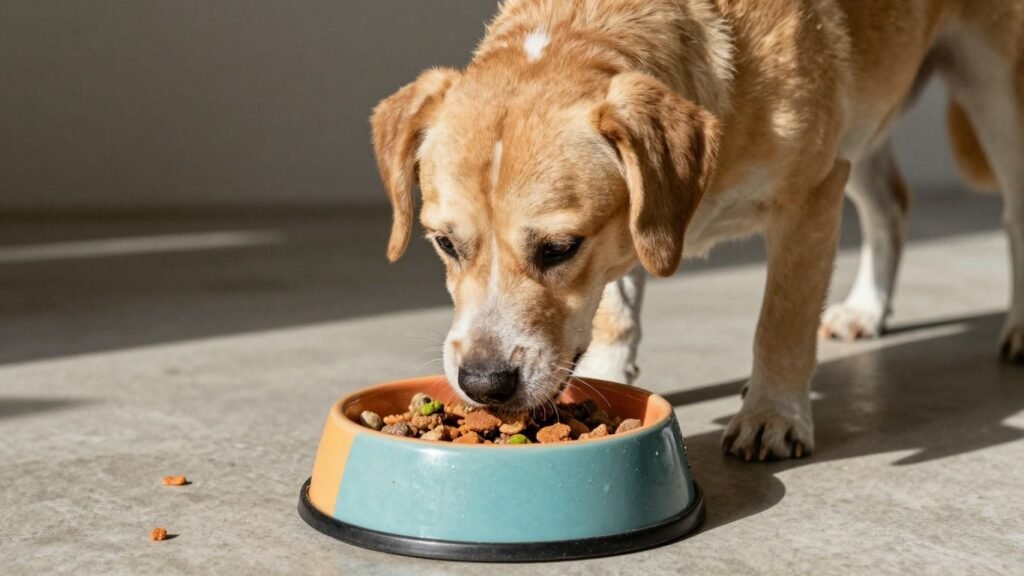
Does your dog seem to inhale their food faster than you can blink? It’s a common sight, and while it might seem like just a quirky habit, eating too fast can actually cause some real health problems for our canine pals. Thankfully, there’s a pretty simple fix that’s making a big difference for a lot of dogs: the slow feeder bowl. This guide is all about figuring out why these bowls are so great and how to pick the best slow feeder bowl for fast eating dogs.
Key Takeaways
- Fast eating in dogs can lead to serious health issues like bloat, choking, and poor digestion.
- Slow feeder bowls are designed with obstacles to naturally slow down eating and make mealtime more engaging.
- When choosing a slow feeder bowl for fast eating dogs, consider your dog’s size, breed, eating style, and the material of the bowl.
- Introducing a slow feeder gradually is important, especially for dogs who are prone to frustration or anxiety around food.
- Using a slow feeder bowl can improve digestion, help manage weight, and provide mental stimulation for your dog.
Understanding The Need For A Slow Feeder Bowl For Fast Eating Dogs
Does your dog act like they haven’t eaten in weeks, practically inhaling their food in seconds? It’s a common sight for many dog owners, but this rapid eating habit isn’t just a bit messy – it can actually be pretty dangerous for your furry friend. When dogs gulp their meals down without much chewing, they swallow a lot of air along with their food. This can lead to a whole host of problems, from simple discomfort to serious health emergencies.
The Hidden Dangers of Inhaling Meals Too Quickly
That lightning-fast eating style can set your dog up for some serious health issues. One of the most talked-about risks is bloat, also known as Gastric Dilatation-Volvulus (GDV). This is a life-threatening condition where the stomach fills with gas and can twist, cutting off blood supply. It’s particularly concerning for breeds with deep chests, like Great Danes or German Shepherds, but any dog can be affected. Studies actually point to fast eating as a major risk factor for bloat. Beyond bloat, gulping food can also lead to choking, as there’s less time for proper chewing. Many fast eaters also end up vomiting shortly after their meal because their stomach just can’t handle the sudden influx of food. Plus, all that swallowed air can cause gas and general digestive upset, making it harder for your dog to get the nutrients they need from their food.
Why Veterinarians Recommend Slow Feeder Solutions
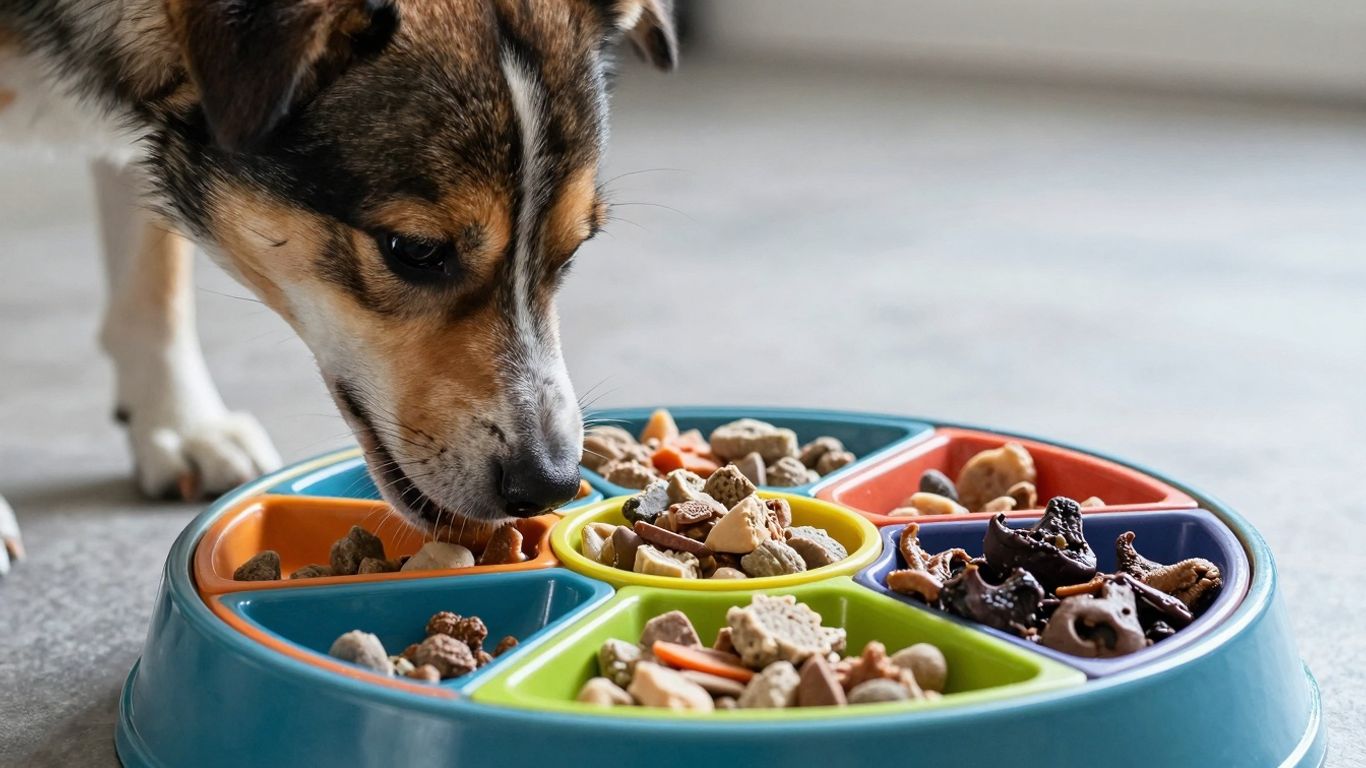
Because of these risks, many vets suggest using a slow feeder bowl. It’s a really straightforward way to help dogs who eat too fast. These bowls are designed with different patterns, ridges, or obstacles inside. Your dog has to work around these to get to their food, which naturally forces them to slow down. It turns mealtime from a frantic race into a more deliberate, grazing-like activity. This simple change can make a big difference in preventing those dangerous health issues associated with gulping food.
Transforming Mealtime From A Race To A Routine
Think about it: instead of your dog finishing their meal in under a minute, a slow feeder can stretch that out to five minutes or even longer. This extended time allows for better chewing and less air intake. It also adds a bit of mental engagement to their day, turning a basic necessity into a slightly more challenging and rewarding activity. For dogs who might be a little anxious around food or prone to resource guarding, this can also help create a calmer, more predictable mealtime experience. It’s about shifting from a potentially harmful habit to a healthy, consistent routine that benefits their overall well-being.
Key Benefits Of A Slow Feeder Bowl For Your Dog
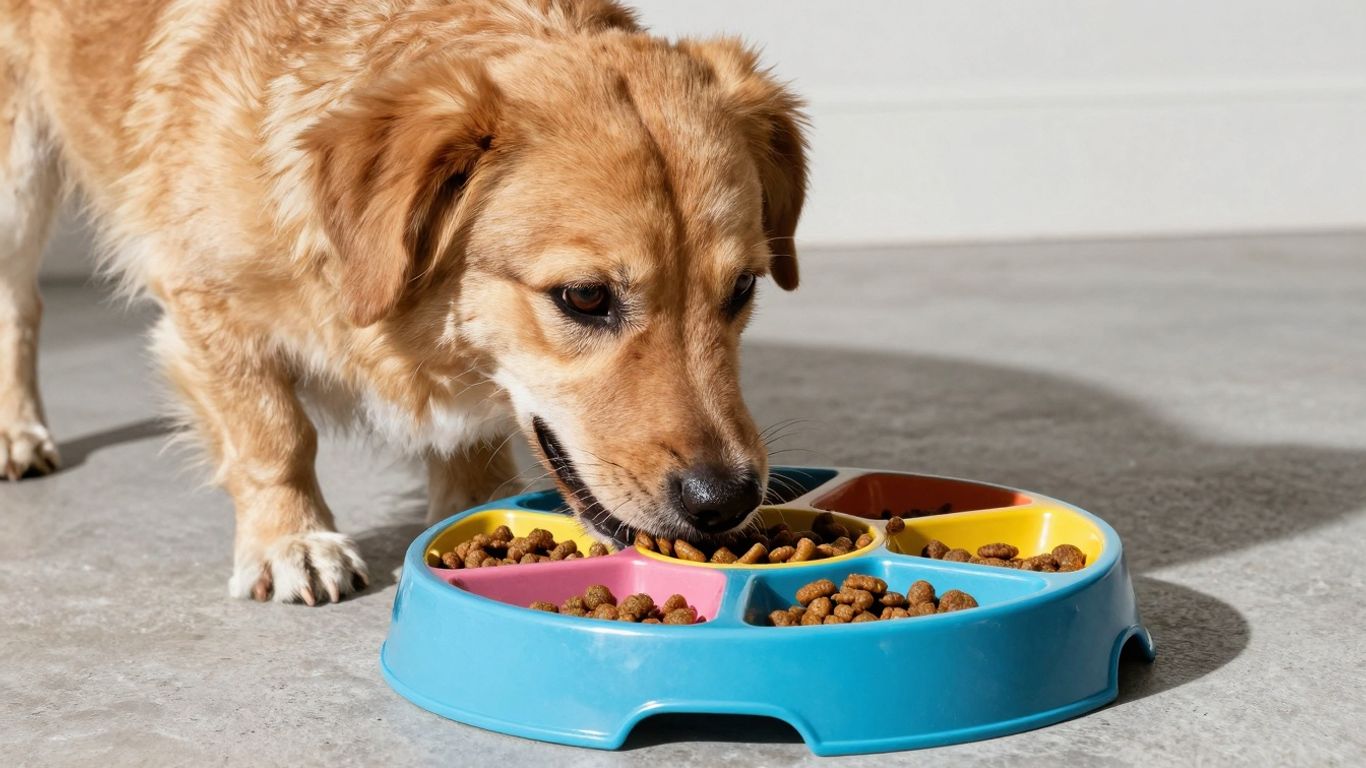
So, you’ve got a dog who treats mealtime like a competitive eating contest. It’s easy to see why you’d be looking for solutions, and thankfully, slow feeder bowls are a pretty fantastic option. They’re not just about making mealtime last longer; they actually offer some pretty significant health and behavioral perks for your pup.
Preventing Dangerous Bloat And Digestive Distress
This is probably the biggest reason folks turn to slow feeders. When dogs inhale their food, they also swallow a lot of air. This can lead to some serious tummy troubles, including bloating and gas. In some cases, especially with deep-chested breeds, rapid eating can even contribute to bloat, a life-threatening condition where the stomach twists. A slow feeder bowl forces your dog to take smaller bites and slow down, which means less air swallowed and a much happier digestive system. It really helps them avoid that uncomfortable feeling after eating.
Reducing Choking Hazards And Vomiting
Ever seen your dog cough or gag after a meal? That’s often a sign they’re eating too fast. When food is gulped down in big chunks, it’s easier to choke on or leads to them throwing it all back up shortly after. Slow feeders break up the food and make your dog work for each bite. This naturally leads to smaller mouthfuls and more chewing, significantly cutting down on those scary choking incidents and the mess of post-meal vomiting. It makes mealtime safer and cleaner for everyone.
Enhancing Mental Stimulation And Reducing Anxiety
Think of a slow feeder as a puzzle for your dog’s food. Instead of just dumping kibble into a regular bowl, the obstacles and patterns in a slow feeder make your dog think and problem-solve to get their food. This mental engagement is super important for dogs. It can help alleviate boredom, especially if your dog spends a lot of time alone, and can even reduce general anxiety by giving them a focused, rewarding task. It turns a simple meal into a bit of an enriching activity. This can be a great way to tire out your dog mentally.
Supporting Healthy Weight Management
Fast eaters often don’t realize they’re full until they’ve already eaten way too much. This can contribute to overeating and, you guessed it, weight gain. Slow feeder bowls help with portion control because your dog has to work for their food. This process can also make them feel more satisfied with less food. By slowing down their eating pace, you’re helping your dog manage their intake more effectively, which is a big win for keeping them at a healthy weight and preventing obesity-related health issues. It’s a simple change that can have a big impact on their overall health.
Choosing The Ideal Slow Feeder Bowl For Your Canine Companion
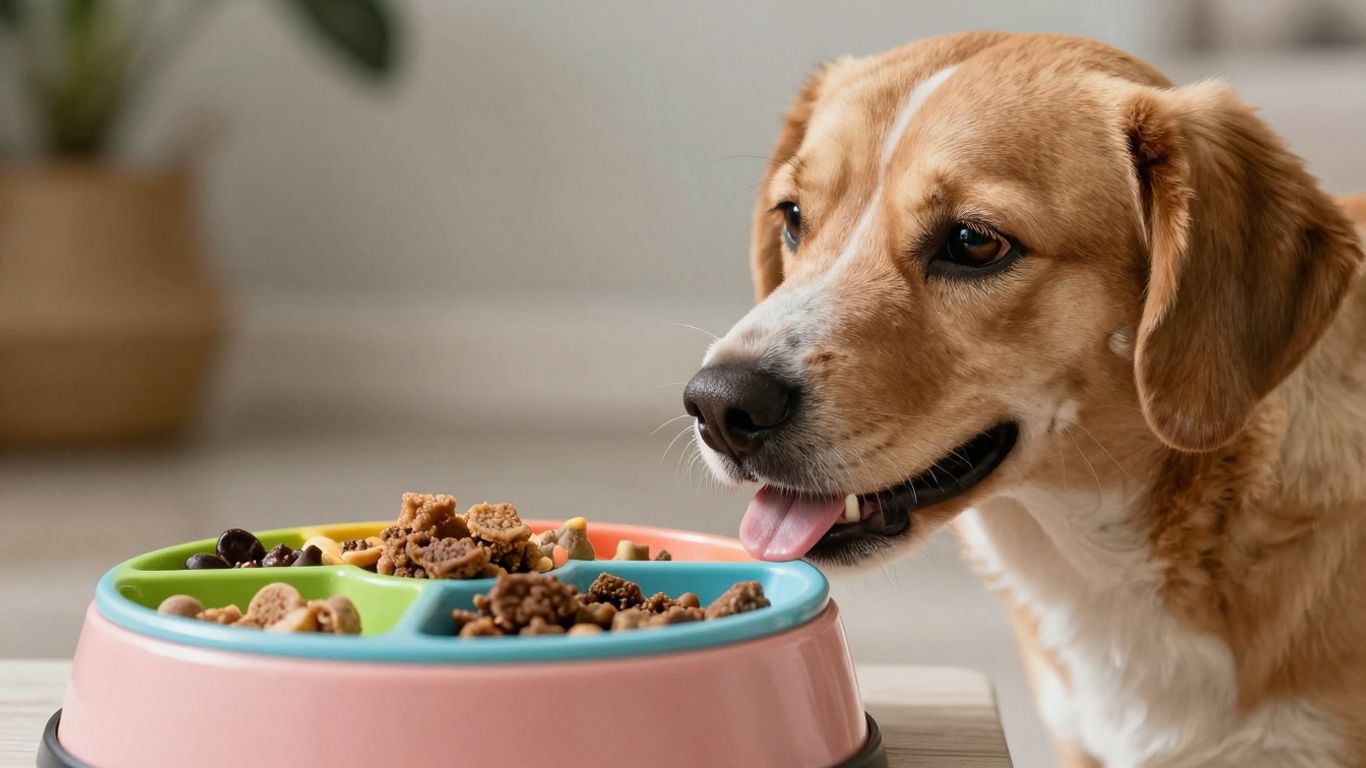
So, you’ve decided a slow feeder is the way to go for your speedy eater. That’s great! But now comes the fun part: picking the right one. It’s not a one-size-fits-all situation, you know. Think of it like choosing shoes – you wouldn’t get hiking boots for a day at the beach, right? Your dog’s needs are just as specific.
Assessing Your Dog’s Unique Eating Style
First off, how fast does your dog actually eat? If they inhale their food in, say, under 30 seconds and then look for more, they’re probably an ‘extreme gulper’. These dogs need the most challenging bowls, the ones with really intricate maze-like designs that force them to slow down. On the flip side, if your dog is already a pretty sensible eater, maybe they just need a little nudge. You can even time them for a few meals to get a baseline. The goal is to find a bowl that challenges them just enough without causing frustration.
Considering Breed-Specific Needs And Designs
Breed matters! A Great Dane has a much bigger snout and a different jaw structure than a tiny Chihuahua. Bowls come in all sorts of shapes and sizes. Some have wide, shallow compartments, while others have deep, narrow ones. For brachycephalic (flat-faced) breeds like Pugs or Bulldogs, you’ll want a bowl with a shallower, wider design so they can actually get their food without struggling. For larger breeds, you’ll need something sturdy that won’t tip over easily. Some bowls even have suction cups on the bottom, which is a lifesaver if your dog tends to push their bowl around.
Matching The Feeder To Your Dog’s Diet
What are you feeding your dog? Kibble is the most common, and most slow feeders work well with it. But if you feed wet food or a raw diet, you’ll need to be a bit more selective. Some bowls are designed with grooves or indentations that are perfect for holding chunks of wet food or raw meat. Others might be too difficult to clean if you’re using sticky food. Always check the manufacturer’s recommendations for the type of food the bowl is best suited for.
Evaluating Material Quality And Cleaning Ease
This is a big one. You’ll see bowls made from all sorts of plastics, ceramic, and even stainless steel. Cheaper plastics might crack or break easily, and some dogs might even chew them up. Look for BPA-free, food-grade materials. And let’s be honest, nobody wants to spend ages scrubbing a dog bowl. Most slow feeders are dishwasher safe, which is a huge plus. But some of the really complex designs can be tricky to get into all the nooks and crannies. A good balance between effective slow-feeding design and ease of cleaning is key.
When you’re picking out a slow feeder, think about your dog’s personality too. Are they easily frustrated? Maybe start with a less complex design and work your way up. A bowl that makes them too stressed isn’t going to help anyone. It should be a positive experience, not a battle.
Here’s a quick rundown of what to look for:
- Material: Durable, food-safe plastic (BPA-free), ceramic, or stainless steel.
- Design Complexity: Varies from simple ridges to intricate mazes. Match this to your dog’s eating speed.
- Size & Depth: Appropriate for your dog’s breed and snout shape.
- Stability: Non-slip base or suction cups to prevent tipping.
- Ease of Cleaning: Dishwasher safe is a big bonus.
Navigating Potential Challenges With Slow Feeders
When A Slow Feeder Bowl Is Not Recommended
While slow feeder bowls are fantastic for many dogs, they aren’t a one-size-fits-all solution. For dogs with certain physical limitations, like brachycephalic (flat-faced) breeds, some complex maze designs might actually make eating difficult or even cause breathing issues. If your dog has severe anxiety around food or exhibits resource guarding behaviors, a slow feeder could potentially heighten their stress rather than alleviate it. It’s always best to observe your dog closely and consult with your veterinarian or a professional dog trainer if you have any concerns. If a slow feeder consistently causes your dog distress, increased panting, or a refusal to eat after a reasonable adjustment period, it might be time to reconsider or try a much simpler design.
Strategies For Gradual Introduction And Adaptation
Switching to a slow feeder isn’t always an instant success. Many dogs are used to gulping their food and might initially be confused or even frustrated by the new setup. The key here is patience and a step-by-step approach. Think of it like teaching them a new game – you start with easy levels and work your way up.
Here’s a good way to ease them in:
- Familiarization Phase: Just let the bowl sit out for a day or two. Let your dog sniff it, investigate it, and get used to its presence without any pressure to eat from it.
- Partial Introduction: Start by putting just a few kibbles or some high-value treats in the slow feeder and let them figure it out. You can even place it next to their regular bowl, so they have a familiar option available.
- Gradual Increase: Over the next week or so, slowly increase the amount of food in the slow feeder while decreasing the amount in their regular bowl. Eventually, you’ll transition to using the slow feeder exclusively.
- Positive Reinforcement: Whenever your dog interacts positively with the slow feeder, offer praise or a small, healthy treat. You want them to associate the bowl with good things.
Addressing Frustration In Eager Eaters
Some dogs, especially those who are super food-motivated or have a history of competing for resources, might get a bit worked up when they first encounter a slow feeder. They might paw at it, try to tip it over, or get visibly agitated if they can’t get the food out quickly enough. If you see this happening, don’t just let them struggle. It’s important to step in before they develop a negative association with the bowl.
- Simplify the Challenge: If you’re using a complex maze, switch to a bowl with simpler obstacles, like raised ridges or just a few dividers. The goal is to slow them down, not to make them feel like they’re failing.
- Hand-Feeding: For a few meals, try hand-feeding them directly from the slow feeder. This helps them understand that the food is still accessible and that you’re in control, reducing their anxiety.
- Take Breaks: If your dog is getting too frustrated, remove the bowl for a few minutes and let them calm down. You can try again later or the next day. Pushing them when they’re stressed is counterproductive.
Remember, the aim is to make mealtime a positive and healthy experience. If the slow feeder is causing more stress than it’s worth, it’s okay to reassess. Sometimes, a slightly slower regular bowl or a different type of interactive toy might be a better fit for your particular dog’s personality and needs.
Making The Switch To Healthier Eating Habits
So, you’ve picked out the perfect slow feeder bowl. Awesome! Now comes the fun part: actually getting your dog to use it. It might seem a little daunting at first, especially if your dog is used to inhaling their food like a vacuum cleaner. But don’t worry, it’s totally doable with a bit of patience and a clear plan. The goal here is to make mealtime a positive experience, not a battle.
Your Action Plan For Introducing A Slow Feeder
Transitioning your dog to a slow feeder bowl is best done gradually. Think of it like teaching them a new trick – you wouldn’t expect them to get it perfectly on the first try, right? Here’s a simple, step-by-step approach:
- Familiarize First: Before you even put food in it, let your dog check out the new bowl. Put it in their usual feeding spot and let them sniff it. They need to know it’s not some weird new toy that’s going to eat their food.
- Start Small: Begin by putting only a small portion of their meal in the slow feeder. The rest can go in their regular bowl. This lets them get used to the idea of working for their food without getting too frustrated.
- Gradually Increase: Over the next few days, slowly increase the amount of food in the slow feeder and decrease the amount in the regular bowl. Keep an eye on your dog. If they seem stressed or aren’t eating, dial it back a bit.
- Positive Reinforcement: Whenever your dog interacts with the slow feeder, even if it’s just sniffing it, give them some praise. A “good boy!” or a gentle pat can go a long way. You want them to associate the bowl with good things.
Monitoring Progress And Celebrating Successes
As you go through this transition, pay close attention to your dog. Are they still gulping? Are they getting frustrated and walking away from their food? Or are they slowly but surely figuring out the new bowl?
- Observe Eating Time: Note how long it takes them to finish. The goal is to see that time increase.
- Watch for Digestion: Look for any changes in their digestion after meals. Less gas, less vomiting, and a generally happier tummy are good signs.
- Behavioral Cues: Are they calmer after meals? Less anxious? These are all wins.
Remember, every dog is different. Some will adapt in a few days, while others might take a couple of weeks. Don’t compare your dog’s progress to others. Just focus on your own furry friend and celebrate the small victories along the way. A wagging tail after a meal is the best indicator that you’re on the right track.
The Long-Term Value Of A Slow Feeder Bowl
Sticking with the slow feeder bowl is more than just a temporary fix. It’s an investment in your dog’s overall health and well-being. By slowing down their eating, you’re actively helping to prevent serious issues like bloat and digestive upset. Plus, the mental engagement required to get their food can actually reduce boredom and anxiety, making them a more content pup.
Think of it this way: you’re not just buying a bowl; you’re promoting better digestion, a healthier weight, and a calmer demeanor for your dog. It’s a simple change that can make a big difference in their quality of life. So, keep at it, and enjoy watching your dog transform into a more mindful eater.
Making the Switch for a Happier, Healthier Pup
So, there you have it. If your dog’s dinner routine looks more like a competitive eating contest, a slow feeder bowl might just be the game-changer you’ve been looking for. We’ve talked about why gobbling food is a big no-no for their health, from bloat risks to just plain tummy troubles. Plus, these bowls give their brains a little workout, which is always a good thing. It might take a little patience to get your dog used to it, but seeing them eat calmer and healthier is totally worth the effort. Give it a try, and you might just find mealtimes become a lot less chaotic and a lot more beneficial for your best friend.
Frequently Asked Questions
Why is it bad if my dog eats too fast?
When dogs gobble their food, they can swallow a lot of air. This can lead to tummy troubles like gas and bloating, which can sometimes be very serious and even life-threatening. Eating too fast also increases the chances of choking or throwing up their food because their stomach can’t handle it all at once.
What exactly is a slow feeder bowl?
A slow feeder bowl is a special kind of food dish that has bumps, walls, or maze-like paths inside. These obstacles make your dog slow down and work a bit harder to get their food. It turns mealtime into a fun challenge instead of a race.
How does a slow feeder bowl help my dog?
Slow feeder bowls help dogs eat slower, which is better for their digestion and can prevent serious health problems like bloat. They also make mealtime more engaging, which can help dogs who get bored or anxious. Plus, it helps them feel fuller with the same amount of food, which can help with weight control.
Are slow feeder bowls good for all dogs?
Not exactly. While great for most fast eaters, they might not be suitable for very young puppies (under 12 weeks), dogs with bad teeth or mouth injuries, or dogs that are already very stressed or anxious about food. Always introduce them slowly.
How do I introduce a slow feeder bowl to my dog?
It’s best to start slow! You can mix some of their regular food with food in the slow feeder, or just use the slow feeder for part of their meal at first. Give your dog time to get used to it. If they seem frustrated, try a bowl with simpler obstacles.
How do I clean a slow feeder bowl?
Cleaning depends on the bowl’s material and design. Many are dishwasher safe, which is the easiest way. If washing by hand, look for bowls with smooth surfaces and fewer hard-to-reach nooks and crannies. It’s important to clean them well to avoid bacteria buildup.