
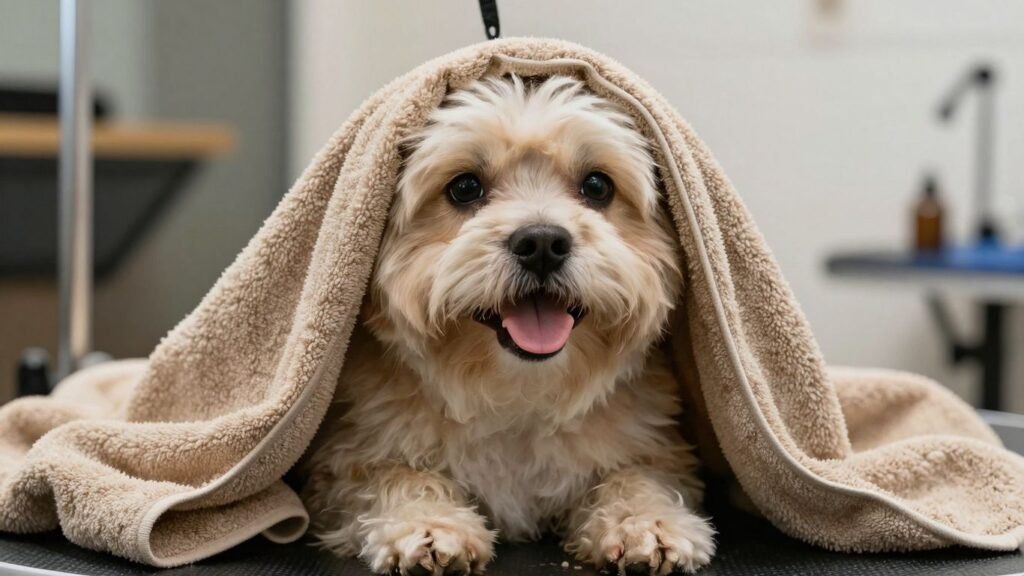
Giving your dog a bath at home can be a messy affair. Water splashes everywhere, and then comes the part where your pup shakes, sending droplets flying. Getting them dry quickly and comfortably is key. That’s where a good towel warmer for dog grooming at home comes in handy. It’s not just about convenience; it’s about making the whole post-bath experience better for both of you. Let’s look at how these warmers can help and what to consider when picking one out.
Key Takeaways
- Using a towel warmer for dog grooming at home helps prevent skin issues by ensuring your dog is dried thoroughly and comfortably.
- Warm towels can make the drying process quicker and more efficient, reducing the time your dog spends wet.
- A towel warmer adds a touch of comfort and luxury to your dog’s grooming routine, making it a more pleasant experience for them.
- Choosing the right towel warmer depends on factors like size, material, and how often you plan to use it for your dog.
- Integrating a towel warmer into your home grooming setup can lead to a happier, healthier dog and a cleaner home environment.
Understanding the Benefits of a Towel Warmer for Dog Grooming at Home
Okay, so you’ve just given your furry friend a good bath. They’re clean, they smell great (for now!), but they’re also dripping wet. This is where a towel warmer really shines, making the whole drying process so much better for both of you. It’s not just about getting them dry faster; it’s about doing it in a way that’s actually good for your dog.
Preventing Skin Irritations and Infections
Think about it: damp fur is like a little greenhouse for all sorts of not-so-great things. Bacteria and yeast absolutely love moisture, and if your dog stays wet for too long, especially close to their skin, it can lead to some real problems. We’re talking about itchy skin, uncomfortable hot spots, and even fungal infections. Dogs with thicker coats or those cute little skin folds are even more at risk because moisture can get trapped deep down. Using a warm towel helps to wick away that moisture quickly, keeping their skin healthier and happier. A dry coat is a healthy coat. It’s a simple step that can prevent a lot of discomfort and potential vet visits down the line.
Achieving Faster, More Efficient Drying
Let’s be real, nobody enjoys the post-bath shake-off that sends water everywhere. A good quality dog towel, especially one that’s been warmed, is designed to absorb a lot more water than your average bath towel. We’re talking materials like microfiber that can soak up several times their own weight in water. This means you’re not just wiping your dog down; you’re actively pulling moisture out of their fur. This is especially true for dogs with dense undercoats. Instead of just skimming the surface, a warm, absorbent towel can get deeper into the fur to grab that trapped water. This cuts down drying time significantly, meaning less shivering for your dog and less mess for you to clean up.
Enhancing Your Dog’s Comfort Post-Grooming
Imagine stepping out of a shower into a cold room. Not fun, right? Your dog feels the same way. After a bath or a muddy romp outside, they’re often left feeling chilly and a bit miserable. A warm towel makes a huge difference. It’s like a cozy hug that helps them feel secure and comfortable while they’re getting dry. This is particularly helpful for puppies, senior dogs, or any dog that gets cold easily. The warmth can be really soothing, turning what might be a stressful part of grooming into a more pleasant experience. It’s a small touch that shows your dog you care about their well-being beyond just getting them clean.
Choosing the Right Towel Warmer for Your Canine Companion
So, you’ve decided a towel warmer is the way to go for your furry friend. That’s a smart move! But before you click ‘buy,’ let’s talk about what actually makes a good towel warmer for dog grooming. It’s not just about getting a warm towel; it’s about finding one that works well with your dog, your space, and your grooming routine.
Material Matters: Microfiber vs. Cotton Towels
When it comes to drying your dog, the towel material is a big deal. You’ll see a lot of options out there, but microfiber and cotton are the main players. Microfiber is pretty amazing for dog towels. It’s made of super fine fibers that can grab onto water like a magnet, absorbing way more moisture than regular cotton. Think of it like this: a good microfiber towel can soak up about 5 to 7 times its own weight in water. Cotton towels, on the other hand, usually only hold about 3 times their weight. Plus, microfiber dries faster itself, which is handy if you’re doing multiple dogs or need a quick touch-up.
Cotton towels are familiar and soft, which is nice. But for serious drying power, especially with thick-coated dogs, microfiber usually wins. It pulls water away from the skin more effectively, helping to prevent that dampness that can lead to skin issues.
Size and Absorbency: Finding the Perfect Fit
Getting the right size towel is more important than you might think. A towel that’s too small means you’ll be doing a lot of awkward stretching and missing spots, which isn’t fun for you or your dog. Too big, and you’ll have excess material dragging on the floor, which is just a mess waiting to happen. A good rule of thumb is to measure your dog from the base of their neck to the tip of their tail, then add about six inches. This gives you enough to wrap them up comfortably.
Here’s a quick guide to help you pick:
- Small Breeds (Under 25 lbs): Look for towels around 24″ x 36″. This should give you a nice wrap with some overlap.
- Medium Breeds (25-60 lbs): Aim for something in the 32″ x 48″ range. It’s easier to handle and covers them well.
- Large Breeds (60-90 lbs): A 40″ x 60″ towel will give you plenty of room to work with.
- Giant Breeds (Over 90 lbs): You’ll want the biggest ones, around 48″ x 72″, to get full coverage without struggling.
Absorbency is tied to size and material. A larger, highly absorbent towel means you can get more water off your dog in fewer passes. This is especially helpful if your dog isn’t a huge fan of being dried.
Durability and Ease of Care for Frequent Use
If you’re grooming your dog at home regularly, you need towels that can stand up to repeated washing and use. Look for towels with reinforced stitching around the edges. This prevents fraying, which can happen quickly with enthusiastic dog shaking. Microfiber, when cared for properly, is quite durable.
Speaking of care, washing instructions are key. You’ll want to avoid fabric softeners at all costs. They might make your own towels feel softer, but they coat the microfiber strands, making them less absorbent. It’s like putting a plastic bag over the fibers – water just can’t get through as well. Washing in cold or warm water with a mild detergent is usually best. Hot water can sometimes damage the delicate microfiber structure over time. Most dog towels can be machine washed, which is a lifesaver when you’re dealing with muddy paws or post-bath water.
Keeping your dog’s drying towels clean is more than just about hygiene; it’s about maintaining their effectiveness. A dirty, residue-filled towel won’t absorb water well and could even transfer odors back onto your dog. Regular washing, without fabric softeners, is the best way to keep them working like new and smelling fresh.

Mastering the Art of Home Dog Grooming with a Towel Warmer
So, you’ve got your dog all clean and smelling fresh, but now comes the part that can sometimes feel like a wrestling match: drying. This is where your cozy, warm towel really shines. It’s not just about getting your dog dry; it’s about making the whole experience better for both of you.
Professional Techniques for Everyday Use
Think of your warm towel as a pro groomer’s secret weapon. Instead of just rubbing your dog down, which can sometimes push water deeper into their fur, try a more systematic approach. Start with the areas that hold the most moisture, like the chest, belly, and inner legs. Gently press the towel into the fur to soak up as much water as possible. For dogs with longer or thicker coats, a “squeeze and release” method works wonders. Gather a section of wet fur in the towel, give it a gentle squeeze for a few seconds, then release and move to the next section. This helps get to the undercoat without all the fuss. Always finish with the face and paws using a separate, smaller towel to keep those areas clean.
Here’s a quick rundown of how to approach it:
- Start with the core: Chest, belly, and inner thighs first.
- Work in sections: Especially for longer fur, use a gentle squeeze and release.
- Finish with details: Paws, face, and tail get a dedicated touch.
Training Your Dog to Enjoy the Drying Process
Let’s be honest, not all dogs are thrilled about being dried. But a warm towel can make a big difference. Start slow. Let your dog sniff and explore the towel when it’s not even in use. You can even leave it in their bed for a bit so they get used to the scent. When it’s bath time, begin by just draping the warm towel over their back for a few seconds. Offer praise and a small treat immediately. Gradually increase the time you leave the towel on, always keeping your energy calm and positive. If your dog seems anxious, keep sessions short – maybe just a minute or two at first. The goal is to create a positive association with the towel and the drying process. Patience is key here; rushing it can set you back.
Remember, consistency is your best friend when training. Using the same towel each time can help your dog feel more secure and familiar with the routine. Keep your voice soft and your movements gentle throughout the process.
Integrating Towel Warmers into Your Routine
Making a warm towel part of your regular grooming routine is simpler than you might think. After a bath, or even after a muddy walk, grab your pre-warmed towel. It’s a quick way to get the bulk of the moisture off before your dog can do their signature shake-and-spray. For dogs who get chilly easily, the immediate warmth is a comfort. It can also be a great way to wind down after a bath, making the whole grooming session feel less like a chore and more like a spa treatment for your furry friend. Think of it as the final, comforting step that signals the end of the bath and the return to cozy relaxation.
Maintaining Your Towel Warmer and Drying Accessories
Keeping your towel warmer and the towels themselves in good shape is pretty straightforward, but it does require a little attention. Think of it like any other appliance or tool you use regularly – a bit of care goes a long way in making sure it works well and lasts.
Proper Cleaning and Washing Instructions
For the towel warmer itself, always unplug it before cleaning. A damp cloth is usually all you need for the exterior. For the interior where the towels sit, check your manufacturer’s instructions, but generally, you can wipe it down with a slightly damp cloth and ensure it’s completely dry before the next use. Avoid harsh chemicals or abrasive cleaners, as these can damage the finish.
When it comes to the towels, the washing routine is key to their performance. Wash them separately from your regular laundry, especially if they are microfiber. This prevents lint buildup and stops fabric softener from coating the fibers, which kills absorbency. Use a mild, enzyme-based detergent and opt for cold or warm water cycles – hot water can damage microfiber. Skip the fabric softener entirely; it’s the enemy of absorbency. If you need to sanitize, a cup of white vinegar in the rinse cycle can work wonders without leaving residue.
Extending the Lifespan of Your Drying Towels
To get the most out of your dog towels, proper drying after washing is important. While air drying is ideal for preserving the fibers and fluffiness, if you must use a dryer, select a low-heat setting. Using dryer balls can help keep them soft and prevent clumping. Always store your towels completely dry in a well-ventilated area. Trapped moisture can lead to mildew, which is pretty much a death sentence for any towel, no matter how good it is.
Here’s a quick rundown on washing frequency:
- Every 3-5 Uses: Machine wash your dog towels.
- After Each Use (if heavily soiled): Spot clean or rinse thoroughly.
- Avoid: Bleach and fabric softeners.
Troubleshooting Common Drying Towel Issues
Sometimes, you might run into a few snags with your drying towels. If a towel seems to be losing its absorbency, try the white vinegar trick mentioned earlier – it can help strip away any buildup that’s blocking the fibers. If that persistent ‘wet dog’ smell lingers even after washing, it might mean the towel isn’t drying your dog thoroughly enough. In this case, you might need a more absorbent towel or a slightly different drying technique, like blotting more firmly instead of just wiping.
Dealing with matting or tangles after drying? This often happens with longer fur. Try using a detangling spray before you start, and switch from rubbing motions to a gentle squeezing technique, working in sections. It takes a bit more time, but it’s much kinder to your dog’s coat.
If your dog isn’t a fan of the towel, leave it around their favorite resting spots for a few days so they get used to its scent. Then, start with short, positive sessions, rewarding them with treats and praise. Patience is really the name of the game here.
Beyond the Towel: Complementary Drying Solutions
While a great towel warmer is a game-changer, it’s not the only tool in the shed for getting your furry friend dry and comfortable. Sometimes, you need a little extra help, or maybe your dog’s specific needs call for a different approach. Let’s look at some other options that can work alongside or even instead of your trusty towel.
Towel Warmers vs. Pet Dryers: A Comparison
This is a big one for many dog owners. Pet dryers, the kind that look like fancy hairdryers, can be super effective. They blast air, which really gets into thick coats and can fluff things up nicely. But, and it’s a pretty big ‘but’ for some, they’re loud. Really loud. My neighbor’s dog sounds like he’s being chased by a vacuum cleaner every time they use one, and honestly, it makes my own dog nervous just hearing it from across the street. Plus, you’re tethered to an outlet, and the heat can be a concern if you’re not careful.
| Feature | Towel Warmer/Towel | Pet Dryer |
|---|---|---|
| Noise Level | Silent | Loud |
| Portability | High | Low (needs power) |
| Deep Coat Penetration | Moderate | High |
| Risk of Heat Damage | Low | Moderate |
| Stress for Dog | Low | High (for some) |
For most dogs, especially those who get anxious around loud noises, a high-quality microfiber towel, perhaps warmed in your towel warmer, is often enough. It’s quiet, gentle, and gets the job done for about 90% of drying needs. Dryers are better for professional-level fluffing or very dense undercoats, but they’re not always necessary for home use.
The Role of Drying Coats and Robes
Think of these as a cozy hug for your dog after a bath or a wet walk. Drying coats and robes are usually made from super absorbent materials, similar to microfiber towels, but they’re designed to stay on your dog. You just slip them on, buckle them up, and your dog can wander around (carefully!) while the robe does the work. This is fantastic for dogs who get chilled easily or for those times when you just can’t stand around holding a towel for twenty minutes.
- Warmth: They trap body heat, keeping your dog toasty.
- Convenience: Hands-free drying means you can do other things.
- Anxiety Reduction: The snug fit can be calming for some dogs.
They might not absorb moisture quite as fast as a vigorous towel session, but they are excellent for extending the drying process comfortably and preventing that post-bath shiver.
Exploring Future Drying Technologies
It’s always interesting to think about what’s next, right? Scientists and inventors are always tinkering. We’re seeing ideas like fabrics that can wick away moisture almost instantly, maybe using something like graphene. Imagine a towel that just feels dry moments after you’ve used it! There’s also talk of materials that can regulate their own temperature, providing a gentle warmth as they dry your dog. And wouldn’t it be neat to have a towel that changes color when it’s fully saturated, so you know exactly when to switch it out? These kinds of innovations could make drying even faster and more comfortable for our pups in the years to come.

While the towel warmer is a fantastic central piece for home grooming, remember that the best approach often involves combining tools. Starting with a good towel to remove the bulk of the moisture, then perhaps using a drying coat for residual dampness or a gentle dryer for a final fluff, can lead to the quickest, most comfortable results for your dog.
Wrapping Up Your Dog’s Drying Routine
So, there you have it. Getting your dog dry after a bath or a muddy adventure doesn’t have to be a wrestling match. With the right towel, you can make bath time a lot less messy and a lot more comfortable for your furry friend. Remember, a good towel absorbs a lot of water quickly, saving you time and keeping your dog from getting chilled. Plus, it helps prevent that lingering wet dog smell. Investing in a quality drying towel is a simple step that makes a big difference for both you and your pup. Happy drying!
Frequently Asked Questions
Why should I use a special towel for my dog instead of a regular one?
Regular towels don’t soak up as much water as dog-specific towels, which are often made of microfiber. This means your dog stays wet longer, which can lead to skin problems like irritation or infections. Special dog towels dry your pet much faster and are designed to be super absorbent, keeping your dog comfy and your home drier.
How do I know what size towel to get for my dog?
It’s best to measure your dog from the base of their neck to the tip of their tail, and then add about six inches. The width should be enough to go from their back to their belly. This ensures the towel will wrap around them completely without being too small or dragging on the floor.
Can I use fabric softener when washing my dog’s towel?
No, you should avoid fabric softeners completely. They can coat the towel’s fibers, making it less able to soak up water. It’s better to wash the towels with a mild detergent and skip the softener to keep them super absorbent.
How often should I wash my dog’s drying towel?
You should wash your dog’s drying towel every 3 to 5 uses. This helps stop bad smells and keeps bacteria from building up. Washing them soon after they get dirty is even better if you can.
My dog hates being dried. How can I make towel drying a better experience for them?
Start slow and make it positive! Let your dog sniff the towel first. Then, just place it on their back for a few seconds and give them a treat and praise. Gradually increase the time you leave it on. Keep your voice calm and use gentle pats. The goal is for your dog to see the towel as a good thing, not something scary.
Are dog drying towels better than using a blow dryer?
For most dogs, a super absorbent towel can do the job just fine and is much quieter and less stressful than a blow dryer. Towels remove most of the water quickly. Blow dryers can be useful for getting that extra fluff, especially for dogs with thick or long fur, but a good towel is often enough and much gentler.
