

As our furry companions get older, their bodies start to change, and sometimes that means their joints aren’t as spry as they used to be. You might notice your older dog slowing down a bit, maybe hesitating to jump or seeming a little stiff. It’s a common part of aging for dogs, just like it is for us. But what if there was a simple, tasty way to give them a little extra support? That’s where collagen sticks for senior dog joints come into play. These chews are more than just a fun treat; they can actually help keep your dog more comfortable and mobile as they age.
Key Takeaways
- Collagen is a protein that’s super important for your dog’s body, helping with joints, skin, and even digestion.
- As dogs get older, their bodies make less collagen, which can lead to stiffer joints and other issues.
- Collagen sticks can help support your senior dog’s joints, making it easier for them to move around.
- Besides joints, these sticks can also do good things for your dog’s skin, coat, and even their gut health.
- When picking out collagen sticks, look for natural ingredients and consider what type of collagen is best for joint support.
Understanding Collagen’s Role in Canine Health
Collagen: The Body’s Structural Protein
Think of collagen as the body’s internal scaffolding. It’s a protein, and not just any protein – it’s the most abundant one in your dog, making up a big part of their skin, bones, tendons, ligaments, and even their gut lining. Collagen provides the structure and strength that holds everything together. It’s what gives tissues their resilience and helps them keep their shape. Without enough of it, things can start to get a bit wobbly, so to speak.
Age-Related Collagen Decline in Dogs
Just like we humans start to notice changes as we get older, so do our dogs. One of the big ones is a natural drop in collagen production. As your dog ages, their body just doesn’t make collagen as efficiently as it used to. This slowdown can start to show up in a few ways. You might notice your older dog isn’t quite as spry as they once were, maybe a bit slower to get up or less enthusiastic about long walks. This decline is a normal part of aging, but it’s something we can help manage.
Collagen’s Importance for Connective Tissues
Collagen is super important for all the connective tissues in your dog’s body. These are the bits that connect muscles to bones (tendons) and bones to bones (ligaments), and they form the cushioning in joints (cartilage).
Here’s a quick rundown of what collagen does for these tissues:
- Cartilage: It helps keep cartilage healthy and resilient, acting like a shock absorber in the joints.
- Tendons and Ligaments: Collagen gives these tissues their strength and flexibility, allowing for smooth movement.
- Bones: While bones are mostly mineral, collagen provides their flexible framework, preventing them from being too brittle.
When collagen levels dip, these connective tissues can become less robust, which is why joint issues often become more apparent as dogs get older.
Key Benefits of Collagen Sticks for Senior Dogs

As our furry friends get older, their bodies naturally produce less collagen. This protein is like the glue holding a lot of their body together, especially their joints, skin, and even their gut. Collagen sticks can be a really helpful way to give them a little extra support where they need it most.
Supporting Joint Health and Reducing Discomfort
This is probably the biggest reason people turn to collagen sticks for their older dogs. Collagen provides the building blocks needed for cartilage, which is the cushioning stuff between bones in joints. For senior dogs, this can mean less stiffness and a bit more ease when they move around. It helps keep their tendons and ligaments flexible, which is super important for preventing those aches and pains that come with age or conditions like arthritis. Think of it as giving their joints a bit of extra lubrication and support.
Enhancing Mobility and Bone Strength
Beyond just reducing discomfort, collagen can actually help improve how well your dog moves. By supporting the connective tissues, it can make their muscles and ligaments stronger. This translates to better overall mobility, making it easier for them to get up, walk, and play. It also plays a role in bone density, which is great for keeping their skeletal system sturdy as they age.
Promoting Healthy Skin and a Lustrous Coat
Collagen isn’t just for the inside; it shows on the outside too! It’s a major component of skin, and as dogs get older, their skin can become drier and less elastic. Collagen sticks can help improve skin hydration and suppleness, which might mean less itching and irritation for your dog. Plus, healthier skin often leads to a shinier, more lustrous coat. It can even help with brittle nails and might reduce excessive shedding.
Aiding Digestion and Gut Health
This one might surprise you, but collagen is also a natural part of the gut lining. It helps keep that lining strong and working right. For senior dogs, especially those with sensitive stomachs, the amino acids in collagen can help repair and support the gut tissues. A healthy gut is linked to better nutrient absorption and overall well-being, so it’s another area where these sticks can lend a hand.
How Collagen Sticks Aid Senior Dog Joint Function
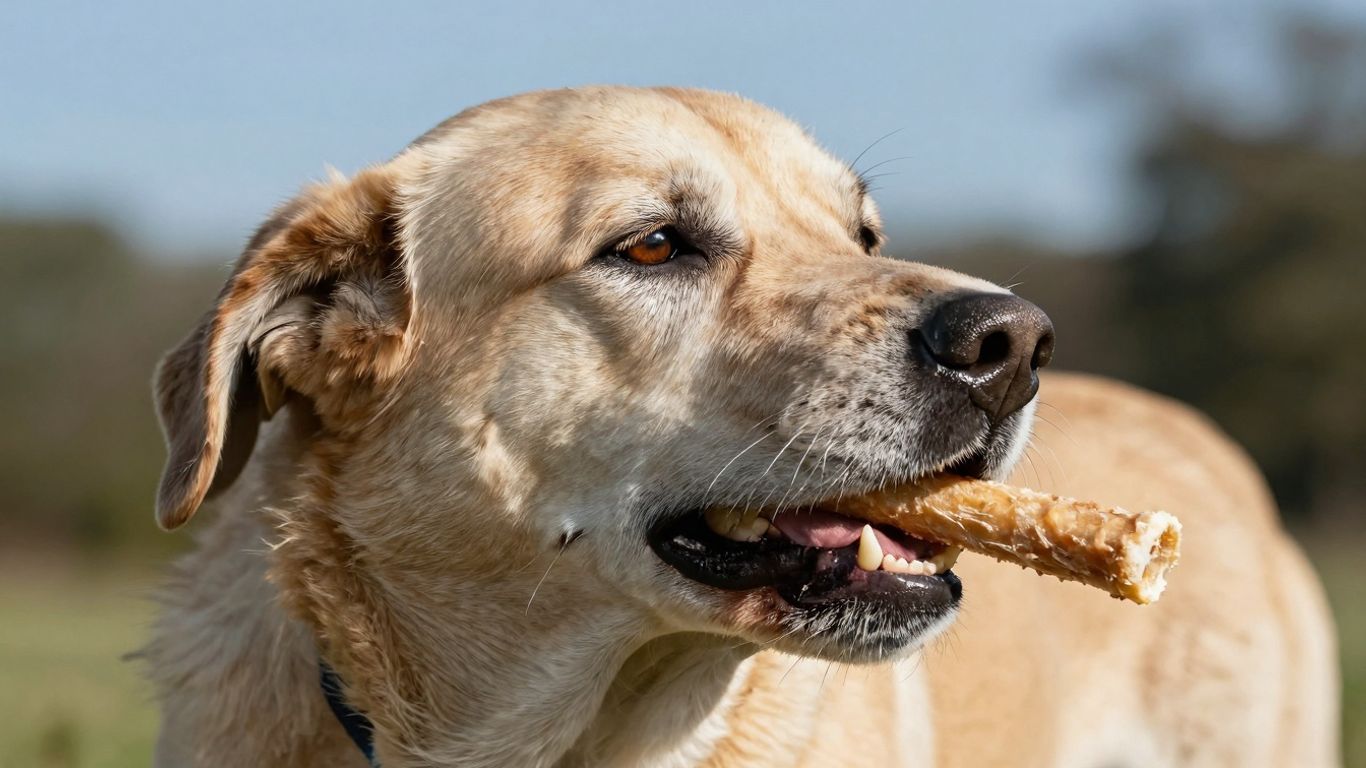
As our furry friends get older, their bodies naturally produce less collagen. This protein is like the scaffolding for their joints, keeping everything working smoothly. Collagen sticks offer a direct way to supplement this declining production, giving their joints the support they need.
Building Blocks for Cartilage and Connective Tissue
Think of collagen as the essential building material for your dog’s cartilage, tendons, and ligaments. Cartilage acts as a cushion between bones in the joints, preventing them from rubbing together. Tendons connect muscles to bones, and ligaments connect bones to other bones, providing stability. When collagen levels drop, these structures can weaken, leading to stiffness and discomfort. Collagen sticks provide the amino acids necessary to help rebuild and maintain these vital tissues. This means stronger, more resilient joints for your senior dog.
Mitigating Osteoarthritis and Joint Pain
Osteoarthritis is a common issue in older dogs, characterized by the breakdown of joint cartilage. This leads to inflammation, pain, and reduced mobility. Collagen peptides from these treats can help support the body’s natural repair processes for damaged cartilage. They may also help reduce inflammation associated with arthritis, offering a more comfortable experience for your dog. It’s not a cure, but it can make a real difference in their daily comfort.
Fortifying Tendons and Ligaments for Flexibility
Beyond the cartilage within the joint itself, the surrounding tendons and ligaments are also made largely of collagen. These structures are key for allowing a full range of motion and supporting the joint during movement. As dogs age, these tissues can become less elastic. By providing supplemental collagen, these sticks help keep tendons and ligaments more flexible and robust, which can improve overall agility and reduce the risk of injury from sudden movements or slips.
Beyond Joints: Additional Advantages of Collagen Chews
While we often focus on how collagen sticks can help our senior dogs with their achy joints, these chews offer a whole lot more. It’s pretty amazing how one simple treat can impact so many different parts of your dog’s well-being. Think of collagen as the body’s internal scaffolding; it’s everywhere, not just in the joints.
Improving Skin Elasticity and Hydration
Collagen makes up a huge part of your dog’s skin – like, around 75% of it. So, when collagen levels start to dip as dogs get older, their skin can become dry and less flexible. Collagen sticks help by giving their bodies the building blocks needed to keep skin moisturized and supple. This means less dryness and irritation, which can be a real comfort for older pups. A dog with healthy skin is just happier, plain and simple.
Strengthening Nails and Reducing Shedding
Ever notice your dog’s nails getting brittle or breaking easily? Collagen can play a role here too. By supporting the structure of nails, these chews can help make them stronger and less prone to snapping. Plus, some pet parents report that their dogs shed less when they regularly get collagen. While it’s not a magic bullet for shedding, it’s a nice bonus if your dog is dealing with a dull coat or excessive hair loss. It’s all about supporting that overall structure from the inside out. You can find some great collagen sticks for dogs that are made with quality ingredients.
Supporting Dental Hygiene Through Chewing
This might be a surprise, but chewing on collagen sticks can actually be good for your dog’s teeth and gums. The act of chewing itself helps to scrape away plaque and tartar buildup. Because collagen sticks have a satisfying, somewhat tough texture, they provide a good chew that can help keep teeth cleaner than just letting them go. It’s a natural way to help maintain oral health, which is often overlooked but super important for a dog’s overall health. A clean mouth means a healthier dog.
Chewing is a natural instinct for dogs, and providing them with appropriate, beneficial chews like collagen sticks supports not only their dental health but also their mental well-being by reducing stress and boredom. It’s a win-win.
Here’s a quick look at what you might notice:
- Improved Skin Moisture: Less flakiness and dryness.
- Stronger Nails: Reduced brittleness and breakage.
- Cleaner Teeth: Helps manage plaque and tartar.
- Reduced Shedding: Potentially a less hairy house.
It’s really quite something how these treats can contribute to your dog’s appearance and comfort, going way beyond just joint support.
Choosing the Right Collagen Sticks for Your Dog
So, you’ve decided collagen sticks are a good idea for your furry friend, which is great! But now comes the part where you actually pick one out. It can feel a little overwhelming with all the options out there, right? Don’t worry, it’s not as complicated as it seems. We just need to think about a few things to make sure you get the best fit for your dog.
Prioritizing Natural and High-Quality Ingredients
When you’re looking at collagen sticks, the first thing to check is what they’re made of. You want to stick with products that use natural ingredients and avoid anything with a bunch of fillers, artificial colors, or preservatives. Think about it – you’re giving this to your dog as a health treat, so you want it to be pure goodness. Look for sticks made from grass-fed, free-range animals like beef or chicken. These tend to be higher quality. Some brands might add things like extra protein or vitamins, which can be good, but always check the ingredient list. If it looks like a chemistry experiment, it’s probably best to skip it.
Understanding Collagen Types for Joint Health
This is where it gets a little technical, but it’s important if joint support is your main goal. There are different types of collagen, and not all of them are created equal when it comes to joints. Type I collagen is common in many chews and is great for skin and coat. However, for actual joint health, Type II collagen is what you’re really after. Some sources suggest that standard collagen sticks might not be the best for joint issues, and that specific supplements with undenatured Type II collagen (like UC-II®) might be more effective. It’s worth chatting with your vet about this if your dog has significant joint pain.
Selecting Appropriate Sizes and Shapes for Chewing
This one’s pretty straightforward but makes a big difference in how much your dog enjoys the stick and how long it lasts. Think about your dog’s size and chewing style. A tiny Chihuahua isn’t going to need the same size stick as a Great Dane. For strong chewers, especially bigger dogs, you’ll want to go for thicker or longer sticks. Otherwise, they might gobble it down in minutes, which isn’t much of a chew session! Smaller dogs or gentler chewers can do well with thinner sticks. Some brands even offer fun shapes, which can add a little extra interest for your pup.
Here’s a quick guide:
- Small Dogs & Gentle Chewers: Start with thin or extra-thin sticks.
- Medium to Large Dogs: Medium or thick sticks are usually a good bet.
- Power Chewers & Large Breeds: Consider thick, jumbo, or longer (12-inch) sticks.
Always supervise your dog when they’re chewing, no matter the size or type of stick. It’s just a good safety practice to make sure they don’t try to swallow large pieces.
Integrating Collagen Sticks into Your Dog’s Diet

So, you’ve decided collagen sticks are a good idea for your furry friend, especially if they’re getting on in years. That’s great! But how do you actually get them into your dog’s routine without causing a tummy upset or turning treat time into a chore? It’s not rocket science, but a little thought goes a long way.
Safe Introduction and Moderation Guidelines
First off, don’t just hand over a giant stick and expect your dog to know what to do. If your dog hasn’t had one before, start slow. Think of it like introducing any new food – you want to see how their system handles it. Most vets suggest limiting chewing time to about 3 to 5 minutes initially. This helps prevent them from trying to swallow big chunks, which can be a choking hazard or cause digestive issues. Always supervise your dog when they’re enjoying a collagen stick. It’s also a good idea to teach them a “leave it” command, just in case. This is especially important for harder chews like these. Remember, these are treats, not a meal replacement. They add calories, so you’ll need to adjust their regular food intake accordingly. If you’re unsure about how many calories your dog should be getting, your veterinarian is the best person to ask.
Complementary Supplements for Joint Support
While collagen sticks are fantastic for overall health, including skin and dental benefits, they might not be the sole answer for severe joint issues. Some sources suggest that for specific joint support, particularly for conditions like osteoarthritis, other forms of collagen, like undenatured type II collagen, might be more effective. Think of collagen sticks as a great addition to a joint-friendly diet, rather than the only solution. You might consider pairing them with other supplements your vet recommends, like glucosamine or omega-3 fatty acids, to give your dog a more complete support system. It’s all about creating a well-rounded approach to keeping those senior joints happy and mobile. You can find various collagen powder supplements for dogs that can be mixed into their food if sticks aren’t always an option.
Monitoring Your Dog’s Overall Health and Vitality
Once you’ve introduced collagen sticks, keep an eye on your dog. Are they enjoying them? Any changes in their digestion, like loose stools or constipation? How’s their energy level? Are they moving a bit more freely? These are all good indicators of how the sticks are working for them. It’s not just about the joints; you might notice a shinier coat or healthier skin too. If you see any negative reactions, it’s best to cut back or stop and chat with your vet. Regular check-ups are always a good idea, especially for senior dogs, to make sure everything is on track and that the collagen sticks are contributing positively to their well-being.
Wrapping It Up
So, there you have it. Collagen sticks can be a really good addition to your older dog’s routine, especially if you’re noticing they’re not as spry as they used to be. They’re not just a tasty treat, but they can actually help support those aging joints, keeping your furry friend more comfortable and mobile. Plus, they’re generally safe and easy to give, making them a win-win for both you and your dog. If you’re looking for a simple way to give your senior dog a little extra boost, collagen sticks are definitely worth considering.
Frequently Asked Questions
What exactly is collagen and why do dogs need it?
Collagen is like the body’s glue! It’s a special protein that helps build and support things like skin, bones, and especially the tissues that connect your dog’s muscles and bones, keeping them moving smoothly. As dogs get older, their bodies make less collagen, which is why giving them extra through treats like collagen sticks can be super helpful.
How do collagen sticks help my older dog’s joints?
Think of collagen sticks as providing the building blocks for your dog’s cartilage, which is the cushion between their bones. For senior dogs, this can mean less stiffness and discomfort, making it easier for them to walk, run, and play. It’s like giving their joints a little extra support to keep them comfortable as they age.
Are collagen sticks good for anything besides joints?
Yes, they are! Besides helping joints, collagen is great for keeping your dog’s skin healthy and their coat shiny. It can also help make their nails stronger and even aid in digestion by supporting the lining of their gut. Plus, the act of chewing can help keep their teeth clean!
Can any dog eat collagen sticks, or are they just for seniors?
Collagen sticks can be a great treat for dogs of all ages! While they offer extra benefits for senior dogs who might be experiencing joint stiffness, younger, active dogs can also benefit from the support collagen provides for their bones and connective tissues. It’s a good way to support their health throughout their life.
How many collagen sticks should I give my dog?
It’s best to give collagen sticks in moderation, just like any other treat. The exact amount can depend on your dog’s size and the specific product. Always check the packaging for recommended serving sizes, and it’s a good idea to talk to your vet to make sure you’re giving your dog the right amount as part of their balanced diet.
Are there different kinds of collagen, and does it matter for my dog?
That’s a great question! There are different types of collagen. For joint health, Type II collagen is often recommended because it’s found in cartilage. While many collagen sticks are made from Type I collagen (found in skin), which is still beneficial for skin and coat, some products might specify the type of collagen they contain. If joint support is your main goal, looking for products that mention Type II or are specifically formulated for joint health might be a good idea.
