
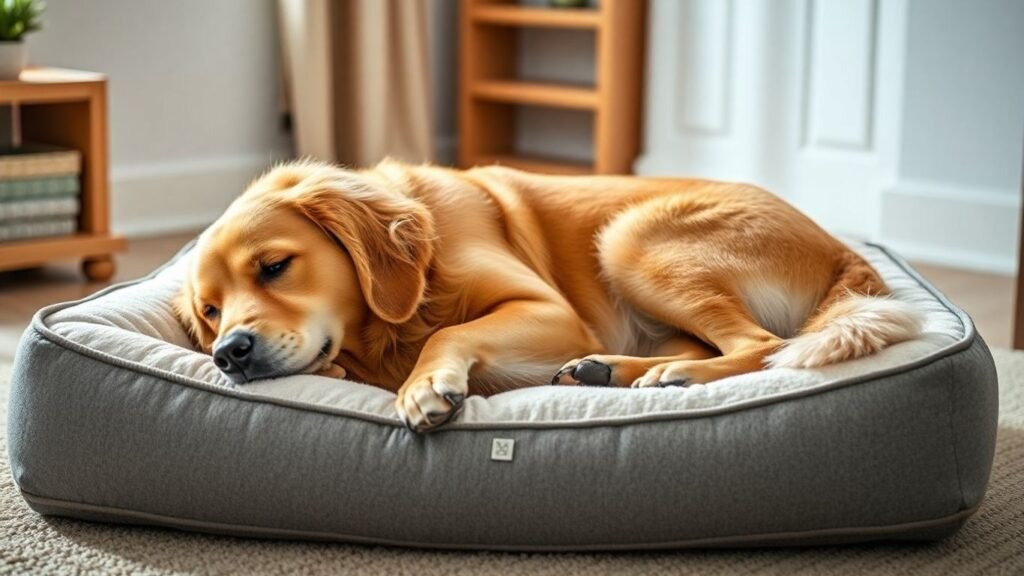
Dealing with hip dysplasia in our canine pals can be tough, not just for them but for us too. Seeing them struggle with pain and stiffness is hard. One thing that can really help, though, is giving them a comfy place to rest. Finding the right orthopedic dog bed for hip dysplasia isn’t just about a soft spot; it’s about giving them support where they need it most. This guide will help you figure out what makes a good bed for a dog with hip issues, so they can get some much-needed relief.
Key Takeaways
- An orthopedic dog bed for hip dysplasia should offer solid support to cushion joints and keep the spine aligned, reducing pain and stiffness.
- High-density memory foam is a top material because it molds to your dog’s body, distributing weight evenly and relieving pressure points.
- Consider the size and shape that best suits your dog’s sleeping habits, whether they like to sprawl out or curl up.
- Look for beds with features like removable, washable covers and non-slip bottoms for easy cleaning and safety.
- Investing in a quality orthopedic dog bed can significantly improve your dog’s comfort, mobility, and overall quality of life.
Understanding Orthopedic Dog Beds For Hip Dysplasia
The Importance Of Proper Support For Joint Health
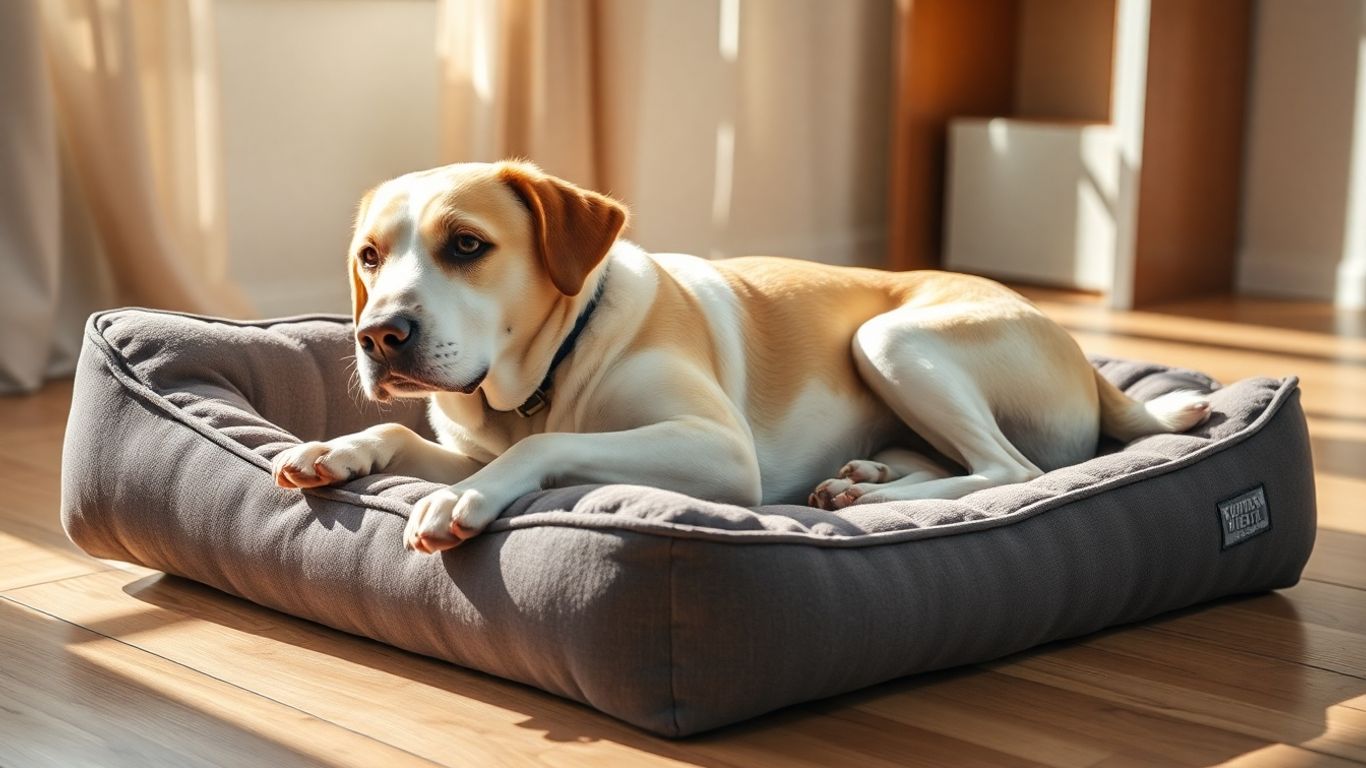
Lots of dogs, especially as they get older or if they have certain genetic predispositions, can develop hip dysplasia. It’s a condition where the hip joint doesn’t form right, leading to pain, stiffness, and trouble getting around. Giving your dog a comfortable place to rest isn’t just about pampering them; it’s a really important part of managing their condition. The right bed can make a big difference in how much pain they feel and how well they can move.
How Orthopedic Beds Alleviate Hip Pain
So, how exactly does a special bed help with hip pain? Think about it: when your dog lies down on a regular floor or a thin mat, their body weight isn’t spread out evenly. This puts extra pressure on their sore hips and joints. Orthopedic beds are designed to fix that. They use materials that mold to your dog’s shape, kind of like a hug for their body. This even weight distribution means less stress on those sensitive areas. It helps keep their spine and legs in a more natural position while they sleep, which can reduce that achy, stiff feeling.
Key Features Of An Effective Orthopedic Dog Bed
When you’re looking for a bed that will actually help your dog, there are a few things to keep an eye out for. It’s not just about the brand name; it’s about what the bed is made of and how it’s built.
- Supportive Core: The main part of the bed needs to be made of dense foam. This is what provides the firm, even support. Cheaper beds might use flimsy foam that flattens out quickly.
- Body Contouring: The material should adapt to your dog’s body. This means it cradles them, reducing pressure points that can make hip pain worse.
- Easy Access: For dogs with mobility issues, a bed that’s too high or has steep sides can be a challenge. Look for beds that are easy for them to get in and out of.
Choosing the right bed is more than just picking something soft. It’s about providing a therapeutic surface that actively helps manage your dog’s pain and improves their daily comfort. A good orthopedic bed can really change how your dog feels day-to-day.
Exploring Top Orthopedic Bed Materials
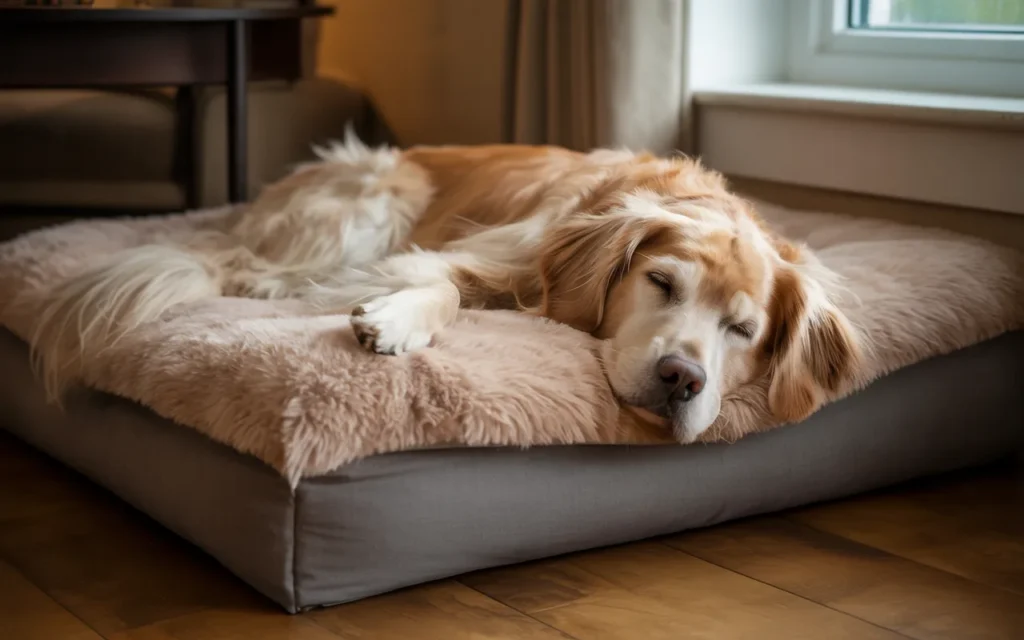
When your dog is dealing with hip dysplasia or just getting a bit older, the material of their bed becomes super important. It’s not just about softness; it’s about how well the bed supports their joints and keeps them comfortable. Let’s break down the common materials you’ll find and what makes them good choices.
The Benefits Of High-Density Memory Foam
High-density memory foam is often the gold standard for orthopedic dog beds, and for good reason. This type of foam is designed to contour to your dog’s body shape, distributing their weight evenly. This means less pressure on those sore joints, especially around the hips. Think of it like a really supportive mattress that cradles your dog without letting them sink too deeply. This even weight distribution is key for dogs with conditions like hip dysplasia because it helps reduce strain on the affected areas. A good memory foam bed can make a noticeable difference in how easily your dog moves around after a nap. We found that beds with high-density orthopedic foam tend to hold up better over time, especially for larger breeds.
Gel-Infused Foams For Cooling Comfort
Some dogs, especially those with thicker coats or who live in warmer climates, can overheat on standard memory foam. That’s where gel-infused foam comes in. The gel beads are mixed into the foam, and they help to dissipate heat away from your dog’s body. This keeps the surface cooler and more comfortable, preventing them from getting too hot and restless. It’s a nice feature if your dog tends to pant or seek out cool spots on the floor. While it adds a cooling element, it still provides the supportive benefits of memory foam, so you don’t have to sacrifice support for temperature regulation.
Evaluating Different Foam Densities
Foam density is a big deal when it comes to orthopedic beds. It’s usually measured in pounds per cubic foot (PCF). Higher density foam is generally firmer and more supportive, which is great for larger dogs or those with significant joint issues. Lower density foam might feel softer initially but can break down faster and won’t offer as much long-term support. For hip dysplasia, you generally want a foam that’s dense enough to prevent your dog from sinking too much. Here’s a quick look at what to consider:
- Low-Density Foam (Under 1.8 PCF): Often found in less expensive beds. Can compress over time and may not provide adequate support for larger or heavier dogs.
- Medium-Density Foam (1.8 – 3.0 PCF): Offers a good balance of comfort and support for many dogs.
- High-Density Foam (Over 3.0 PCF): Provides superior support and durability, ideal for large breeds, senior dogs, or those with severe joint pain.
Choosing the right foam density is about matching the bed’s support to your dog’s weight and specific health needs. Don’t just go for the softest option; focus on what will provide lasting joint relief.
When you’re looking at beds, check the product descriptions for foam density if it’s listed. It’s a good indicator of how well the bed will perform over time and how much support it will actually give your dog’s hips and joints.
Choosing The Right Size And Shape
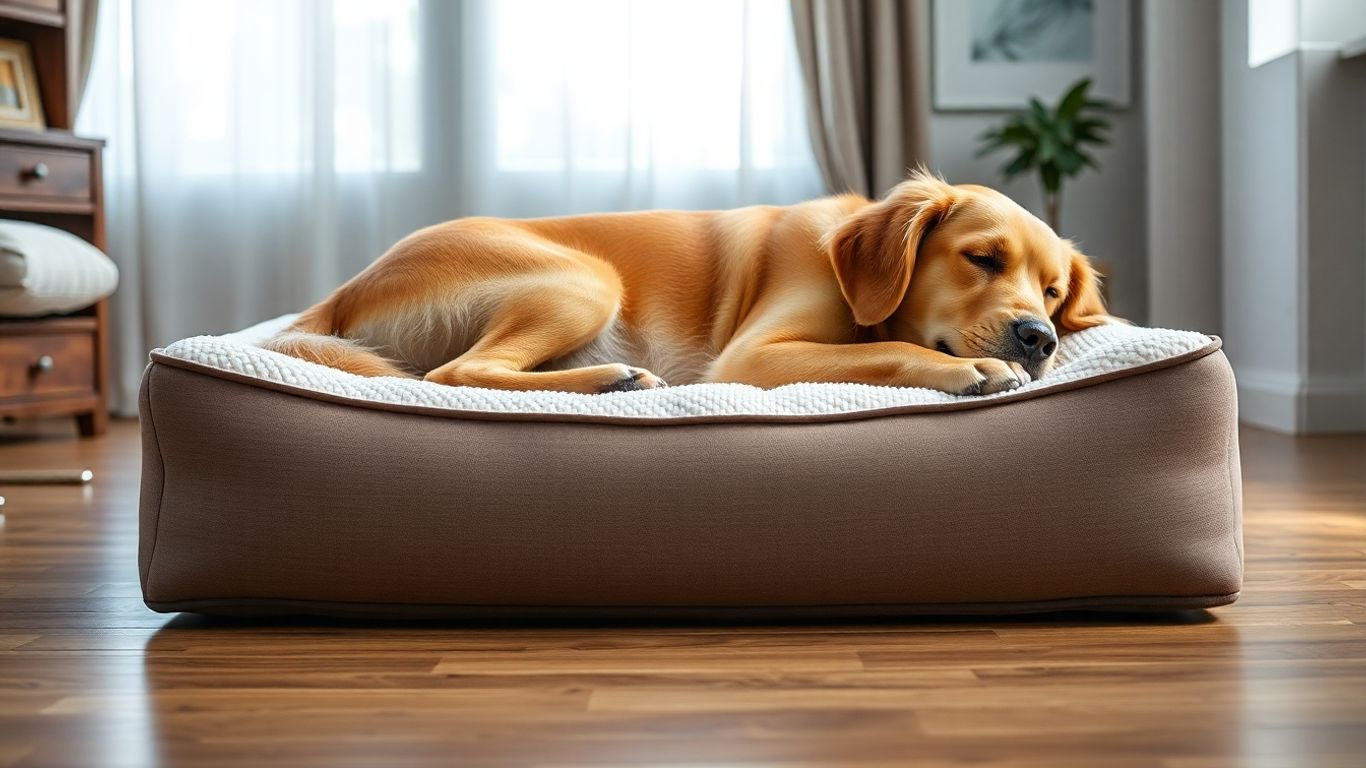
Picking out the right bed for your dog isn’t just about how it looks in your living room; it’s about making sure your dog can actually use it comfortably, especially when they’re dealing with hip dysplasia. A bed that’s too small will just be awkward, and one that’s too big might not offer enough cozy support.
Accommodating Your Dog’s Sleeping Style
Dogs sleep in all sorts of positions, and their preferred style can tell you a lot about what kind of bed they’ll like best. Some dogs are total curlers, tucking themselves into a tight ball. Others are sprawlers, stretching out as far as they can. And then there are the dogs who like to lean, resting their heads on something.
- Curlers: These pups often feel more secure with a bed that has raised edges or bolsters. It gives them something to snuggle into and a sense of enclosure. Think of a nest or a donut-shaped bed.
- Sprawlers: If your dog loves to spread out, a flat, mattress-style bed is probably the way to go. They need plenty of uninterrupted surface area to really relax.
- Leaners: Many dogs like to rest their heads or paws on something. Beds with built-in headrests or bolstered sides can be a real comfort for these guys.
The key is to observe your dog’s natural sleeping habits. Do they seek out corners? Do they flop onto their backs with legs in the air? Matching the bed’s shape to their typical pose will make a big difference in their comfort.
Selecting the Ideal Dimensions for Your Pet
Getting the size right is pretty straightforward, but it’s important not to guess. You want to give your dog enough room to stretch out, even if they usually sleep curled up. A good rule of thumb is to measure your dog while they’re lying down in their favorite sleeping position. Measure from the tip of their nose all the way to the base of their tail. Then, add about 6 to 12 inches to that measurement. This extra space accounts for any shifting or stretching they might do during the night.
Here’s a quick guide:
- Small Dogs (under 25 lbs): Typically need beds around 20-30 inches long.
- Medium Dogs (25-50 lbs): Look for beds in the 30-40 inch range.
- Large Dogs (50-90 lbs): Beds around 40-50 inches are usually suitable.
- Extra-Large Dogs (90+ lbs): You’ll want to consider beds 50 inches and up, often specifically designed for giant breeds.
It’s always better to go a little bigger than too small. A bed that’s too cramped won’t provide the support needed for hip dysplasia relief.
Considering Beds With Raised Edges
Beds with raised edges, often called bolsters or bolstered beds, can be a fantastic choice for dogs with hip dysplasia, especially if they tend to curl up or like to rest their heads. These raised sides offer a few benefits:
- Security: They create a cozy, den-like feel that can help anxious dogs relax.
- Support: The edges provide a place for your dog to lean against, which can take some pressure off their hips and joints.
- Headrest: Many dogs naturally seek out a pillow or raised surface for their head. Bolsters serve this purpose perfectly.
However, if your dog is a true sprawler or has significant mobility issues getting in and out of raised areas, a flat, mattress-style bed might be a better fit. For dogs who have trouble getting up, a lower profile bed is often more practical. You want to make it as easy as possible for them to get comfortable without strain.
Essential Features For Durability And Maintenance
When you’re looking for a bed that will actually help your dog with hip dysplasia, you can’t just think about the comfort part. You also need to consider how easy it is to keep clean and how long it’s going to last. Let’s be real, dogs can be messy, and a bed that’s a pain to maintain is just going to become a source of frustration for you and a less-than-hygienic spot for your pup.
The Advantage Of Removable And Washable Covers
This is probably the most important feature to look for. Accidents happen, whether it’s a little drool, a muddy paw print, or something more serious. A bed with a cover that you can just zip off and toss in the washing machine makes life so much easier. You want a cover that holds up well to regular washing, so it doesn’t fall apart after a few cycles. Look for materials that are known for their durability, like sturdy cotton blends or tough polyesters. Some covers are even designed to be washed on a gentle cycle with warm water, which is great for killing germs and mites without damaging the fabric.
Waterproof Liners For Added Protection
Even with a washable cover, spills and accidents can soak through to the foam inside. That’s where a waterproof liner comes in handy. It acts as a barrier, protecting the main mattress from moisture, odors, and general yuckiness. This is especially important if your dog has incontinence issues or tends to drool a lot. Some beds come with built-in liners, while others allow you to purchase them separately. It’s a simple addition that can significantly extend the life of the bed and keep it smelling fresh.
Non-Slip Bottoms For Stability
For a dog struggling with hip dysplasia, stability is key. Imagine trying to get up from a slippery surface when your hips already hurt – not fun. A non-slip bottom on the bed means it stays put, even on smooth floors like tile or hardwood. This gives your dog a secure base to get on and off the bed without sliding around, reducing the risk of falls or further injury. It might seem like a small detail, but it makes a big difference in how safe and confident your dog feels using their bed.
Keeping your dog’s orthopedic bed clean and stable isn’t just about appearances; it’s about maintaining a hygienic environment and providing consistent, reliable support for their aching joints. Regular maintenance ensures the bed continues to serve its purpose effectively, contributing to your dog’s overall comfort and well-being.
Specific Bed Types For Hip Dysplasia Relief
When your dog is dealing with hip dysplasia, finding the right bed isn’t just about comfort; it’s about actively helping them manage pain and move a little easier. Different bed styles are designed with specific needs in mind, and some might be a better fit for your furry friend than others. Let’s look at a few popular types that can make a real difference.
Memory Foam Lounger Beds
These beds are a go-to for a reason. They’re typically made with a solid block of high-density memory foam. This material is great because it molds to your dog’s body shape, kind of like a hug. This means pressure points, especially around those sore hips, get relieved. The foam distributes their weight evenly, which is super important for dogs who have trouble shifting their weight comfortably. A good memory foam bed can really help reduce stiffness and make resting more pleasant. It’s like giving them a supportive cloud to sleep on.
Nest-Style Orthopedic Beds
Nest-style beds often have a slightly raised edge, creating a cozy, enclosed feeling. This design is fantastic for dogs who like to feel secure and curl up when they sleep. The raised edges can also offer a bit of extra support for their head and neck, which is a nice bonus. For dogs with hip issues, the overall structure of a nest bed, especially if it’s made with quality orthopedic foam inside, provides a stable and comfortable place to rest without feeling exposed. It’s a good option if your dog enjoys feeling a bit tucked in.
Donut-Shaped Beds For Security
Similar to nest-style beds, donut-shaped beds are all about that feeling of security. Their circular design and often plush, raised rim encourage dogs to curl up. This shape can be particularly helpful for dogs with hip dysplasia because it naturally guides them into a position that might be more comfortable for their joints. The soft, yielding material can cushion their hips and other pressure points. Many dogs just find these beds incredibly comforting, and for a dog in pain, that comfort is a big deal. It’s a simple design, but it can offer a lot of relief.
Investing In Your Dog’s Comfort And Mobility

Long-Term Benefits Of Quality Bedding
Getting a good orthopedic bed for your dog isn’t just about a one-time purchase; it’s an investment in their ongoing health and happiness. Think about it – a well-designed bed provides consistent support, day in and day out. This means less strain on those achy joints, which can really add up over time. For dogs dealing with hip dysplasia, this consistent support is key to slowing down the progression of discomfort and maintaining their ability to move freely. It’s about giving them a comfortable place to rest that actively contributes to their well-being, rather than just being a spot to lie down.
Improving Your Dog’s Quality Of Life
When your dog is in less pain, they’re just happier. You’ll notice it in their wagging tail, their eagerness to play, and their overall demeanor. A quality orthopedic bed can make a huge difference in their daily life. Instead of struggling to get up or seeming stiff after resting, they can wake up feeling more refreshed and ready to go. This improved comfort translates directly into a better quality of life, allowing them to enjoy their senior years or manage their condition with more ease and less suffering. It’s about giving them back some of their youthful energy and zest for life.
When To Consider A Veterinary Specialist
While a great orthopedic bed can do wonders, it’s not a cure-all. If your dog’s mobility issues seem to be worsening, or if they’re showing signs of significant pain despite using a good bed, it might be time to talk to your vet. They can assess your dog’s condition more thoroughly and recommend further treatments. Sometimes, physical therapy, specific medications, or even specialized supplements can provide additional relief. Don’t hesitate to seek professional advice; your vet is your best resource for managing your dog’s long-term health and ensuring they get the best possible care for their hip dysplasia or any other joint problems.
Wrapping It Up
So, picking out the right bed for your dog with hip dysplasia might seem like a lot, but it’s really about giving them a comfy spot to rest. We talked about how memory foam beds can really help by molding to their shape and taking pressure off those sore hips. And remember, a good bed isn’t just about comfort; it’s about helping your dog move better and feel less pain day-to-day. It might cost a bit more upfront, but seeing your furry friend happier and more comfortable makes it totally worth it. You’re giving them a better quality of life, and honestly, that’s what matters most.
Frequently Asked Questions
What exactly is hip dysplasia in dogs?
Hip dysplasia is a common condition where a dog’s hip joint doesn’t form correctly. This can cause pain, stiffness, and make it hard for them to walk or move around comfortably. It’s like a loose ball and socket joint that can become painful over time.
How can an orthopedic dog bed help with hip dysplasia?
Orthopedic beds are designed to give your dog extra support and cushioning. They help spread your dog’s weight evenly, taking pressure off sore joints. This can make a big difference in reducing pain and making it easier for them to rest and sleep.
What makes a dog bed ‘orthopedic’?
Orthopedic beds usually have special foam, like memory foam, that molds to your dog’s body. This provides firm support and helps keep their body in a more natural position while they sleep, which is great for joints that are already hurting.
What kind of material is best for an orthopedic dog bed?
High-density memory foam is a top choice because it offers great support and comfort. Some beds also have gel-infused foam, which can help keep your dog cool, especially if they get warm easily or live in a hot place.
How do I pick the right size bed for my dog?
You’ll want a bed that’s big enough for your dog to stretch out fully in any position they like to sleep in. Measure your dog from nose to tail while they are lying down comfortably to get a good idea of the space they need.
Are there any other features I should look for?
Yes! Look for a bed with a removable and washable cover, as this makes cleaning much easier. A waterproof liner is also a good idea to protect the foam from accidents. And a non-slip bottom will keep the bed from sliding around when your dog gets on or off.
